



Fine Arts
Inhalt
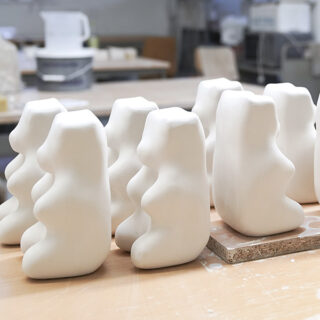
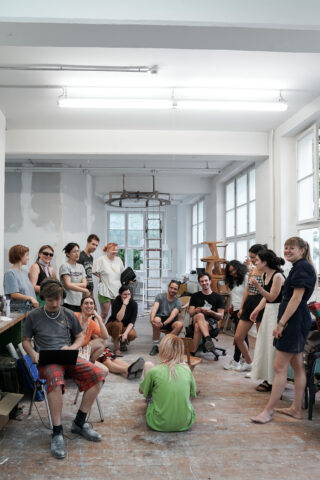
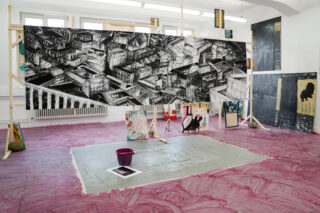
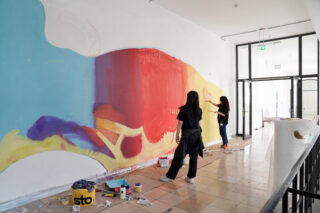
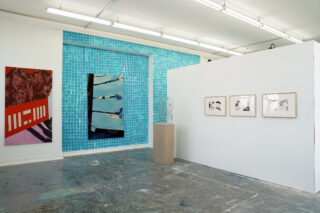
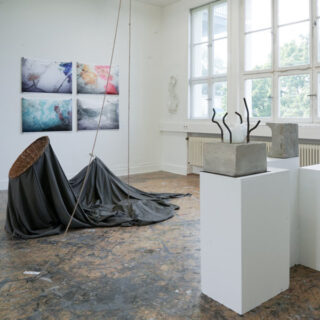
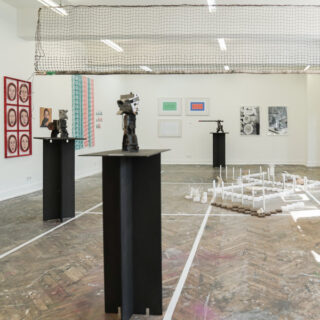
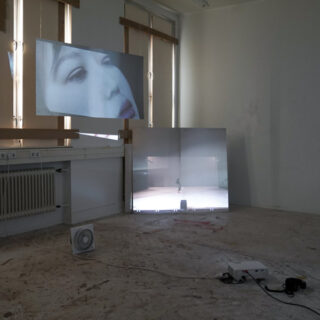
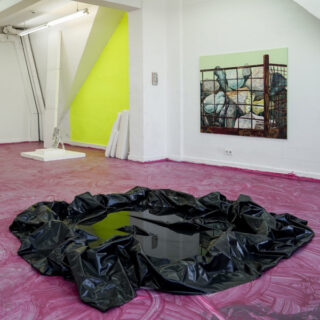
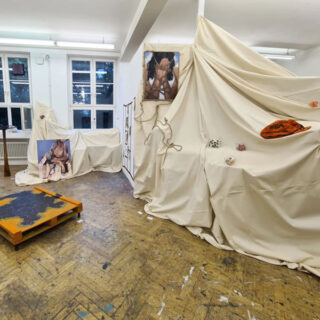
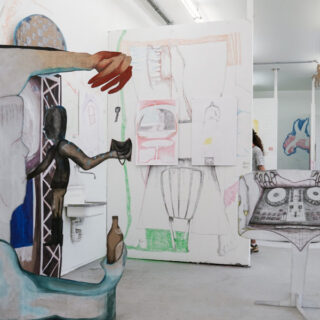
The Fine Art programme at the ABK Stuttgart offers a wide range of artistic forms of expression, ranging from painting and sculpture through glass design, ceramics and graphic arts (drawing and printmaking) to photography, video, digital and time-based art, installation and performance.
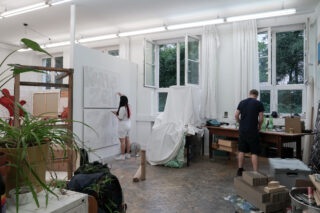
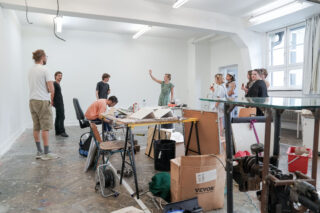
The development of one’s own artistic identity is at the heart of the programme, which offers students plenty of freedom to explore artistic methods and working practices. Teaching takes place in small, well-supervised groups, with the workshops and laboratories playing a central role in artistic training. Through regular class and one-to-one meetings, students learn to present, discuss and contextualise their artistic work – an important foundation for developing their own artistic voice.
Equally important is the cultivation of an artistic awareness of issues and the development of linguistic skills to articulate one’s own artistic perspective. This requires the acquisition of knowledge of art history and art theory. Students gain this knowledge through lectures and seminars on art history, art theory, art education, media theory and aesthetics.
Student research projects
Classes and professorships
Duration and degree
| Duration of study | Standard period of study 10 semesters |
|---|---|
| Degree | Diploma |
Course content
Introductory class (Grundklasse)
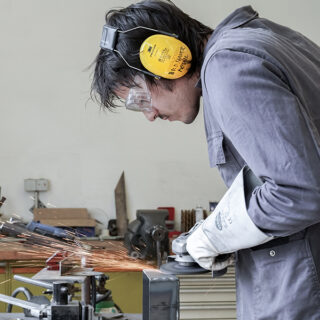
Students of Fine Art at the ABK Stuttgart find themselves in a situation that is unique in Germany – not least due to the wide range of workshops on offer. Together with students on the Art Teacher Training and Stage and Costume Design courses, they attend one of the three foundation classes for General Artistic Education during the first two semesters. Here, the intensive level of supervision in small groups of around fifteen first-year students provides an ideal introduction to the diversity of artistic and creative practices, as well as an opportunity to familiarise themselves with basic aesthetic categories.
Advanced class (Fachklassen)
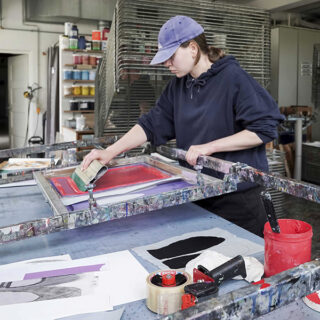
Following the introductory class (Grundklasse), students move on to a advanced class (Fachklasse) to continue their training in a specific area of specialisation – painting, sculpture, glass art, ceramics, graphic art (drawing/printmaking), photography and video, digital and time-based art, installation or performance. The profiles of the professorships and studios provide guidance in this regard.
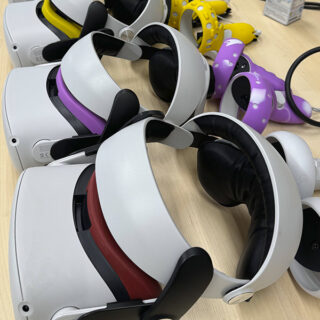
The umbrella terms mentioned above encompass further specialisations – for example, life drawing and painting, architectural and still-life drawing, sculptural objects, collage, assemblage, spatial installations, art in public spaces, film and digital media. Similarly, specialist classes cover art theory topics such as representation theory, image analysis, colour theory, composition, idea generation and materials science, as well as knowledge of the nature and functioning of the art market.
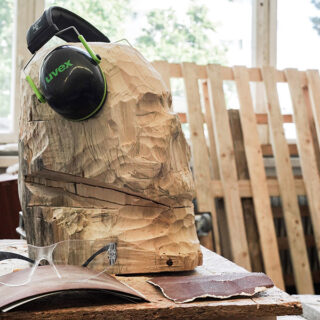
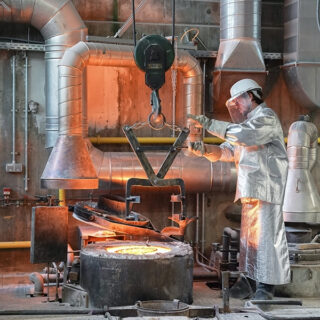
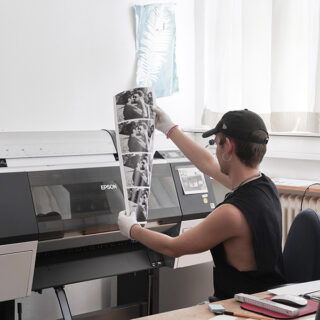
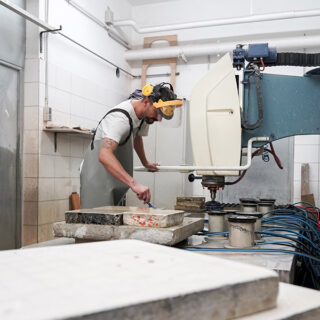
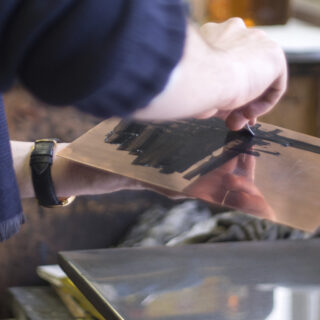
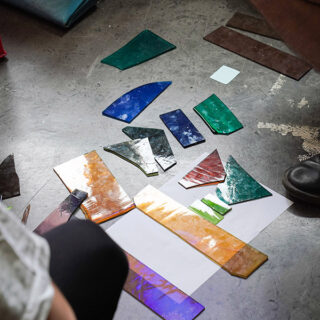
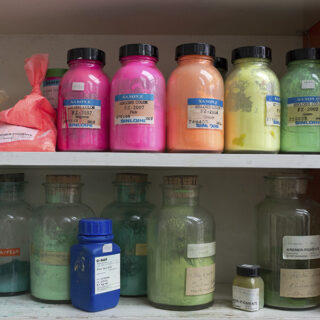
The degree programme is complemented by a range of practical workshops.
New regulations for first-year students from the 2026/27 winter term onwards
From the 2026/27 winter semester onwards, new conditions will apply to all first-year students on the Diploma in Fine Art (and the B.F.A. in Art Education), relating to the Study and Examination Regulations (SPO), the Module Handbook (MHB) and the study programme plan. In Art History, the compulsory, marked modules ‘KW!-1’ and ‘KW!-2’ (Basic Concepts of Art) have been introduced. These must be completed by the end of the 6th academic semester at the latest for the Diploma in Fine Art. Further details can be found in the relevant documents valid from the 2026/27 winter semester (see Regulations).
Intermediate Diplom degree
A preliminary diploma examination usually takes place between the 4th and 6th semesters. It is designed to help students decide which specialisation to choose within the diploma programme and is intended to assess whether the student meets the programme’s requirements. It consists of an oral examination conducted by two examiners and lasts no longer than 20 minutes.
Diplom degree
The degree programme culminates in the final project (Diplomarbeit). This is a comprehensive artistic project carried out independently, through which students demonstrate their own artistic creative abilities, taking into account technical possibilities, their areas of interest, their capacity for artistic reflection and verbal expression, as well as their ability to present and communicate their work.
Courses in art history, art theory, aesthetics and art education
Alongside artistic practice, academic and theoretical teaching forms a key focus of the programme. The wide range of courses in art history, philosophy and art education is open to students from all disciplines. Academic and theoretical teaching is delivered at university level through lectures, seminars, tutorials and workshops.
Regulations
Regulations for commencing studies before the 2026/27 winter term
Regulations for students commencing their studies from the 2026/27 winter term
You can view the exam registration period for the current semester on the Examinations Office’s website.